
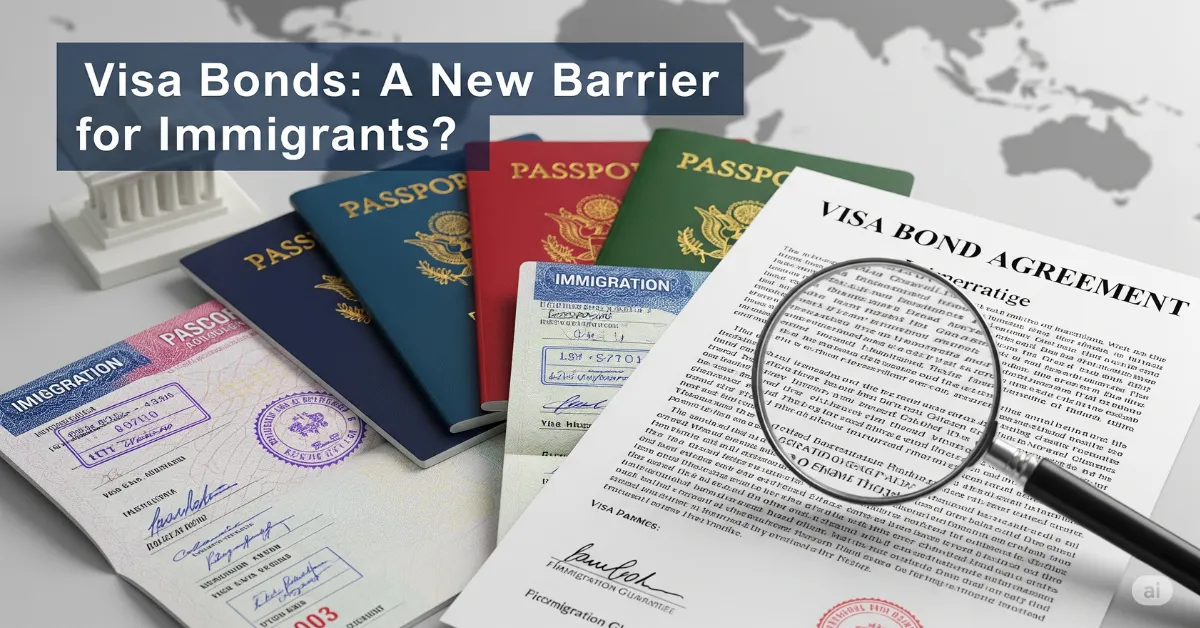
What the New Visa Bond Policy Entails
The pilot program, which will run for one year, is a re-introduction of a similar proposal from the previous administration. According to a notice published in the Federal Register, it targets applicants from countries with high visa overstay rates or those with “deficient” screening and vetting processes. The bond amounts are set at $5,000, $10,000, or $15,000, to be determined at the discretion of the consular officer based on the applicant’s individual circumstances. The bond is a refundable deposit that the traveler forfeits if they overstay their visa. The list of countries subject to the program has not yet been released but will be announced at least 15 days before the policy takes effect.
The Financial Reality for International Travelers
For many international travelers, particularly those from the countries most likely to be targeted, the financial burden of a $15,000 bond is a significant, and potentially insurmountable, obstacle. This policy effectively creates a two-tiered system for U.S. visa applicants. While the stated goal is to reduce visa overstays, the reality is that it will also serve as a de facto financial barrier for many who have legitimate reasons to visit the United States. A family wishing to visit for tourism or to attend a wedding may find themselves unable to come up with the funds, making the dream of visiting the U.S. out of reach.
Analyzing the Broader Economic & Diplomatic Fallout
The introduction of visa bonds could have far-reaching consequences beyond individual travelers. The US tourism industry, which has already seen a decline in recent years, may suffer further. The fear of being required to post a large sum of money, even if it is refundable, could deter potential visitors from choosing the United States as their destination. This could lead to a loss of billions of dollars in tourism revenue, impacting local economies and a wide range of businesses from airlines to hotels and restaurants. From a diplomatic perspective, the policy could be perceived as a hostile act by other nations, straining international relations and potentially prompting retaliatory measures.
Public Reaction and Future Outlook
The new visa bond program has already drawn criticism from immigration advocates and travel industry groups, who argue it is an unnecessary and punitive measure. While the State Department views it as a “diplomatic tool” to encourage foreign governments to improve their screening processes, its human cost and potential economic impact are a cause for concern. The pilot program’s one-year duration will allow the government to collect data on its effectiveness. However, it remains to be seen whether the policy will genuinely deter overstays or simply deter legitimate travelers from visiting the United States.
Find daily trending topics and trending news of USA at https://usahottopics.com
Resource Links for Fact Check:
- Federal Register Notice on Visa Bond Pilot Program: https://www.federalregister.gov/documents/2020/11/24/2020-25916/temporary-final-rule-establishing-a-pilot-program-to-determine-the-effects-of-b-1-and-b-2-nonimmigrant
- Department of Homeland Security Report on Visa Overstays: https://www.dhs.gov/study-and-exchange-visitor-visa-overstay-report
- U.S. Travel Association Statement on Visa Bonds: https://www.ustravel.org/press-statement-on-visa-bond-proposal
Canvas
Image