
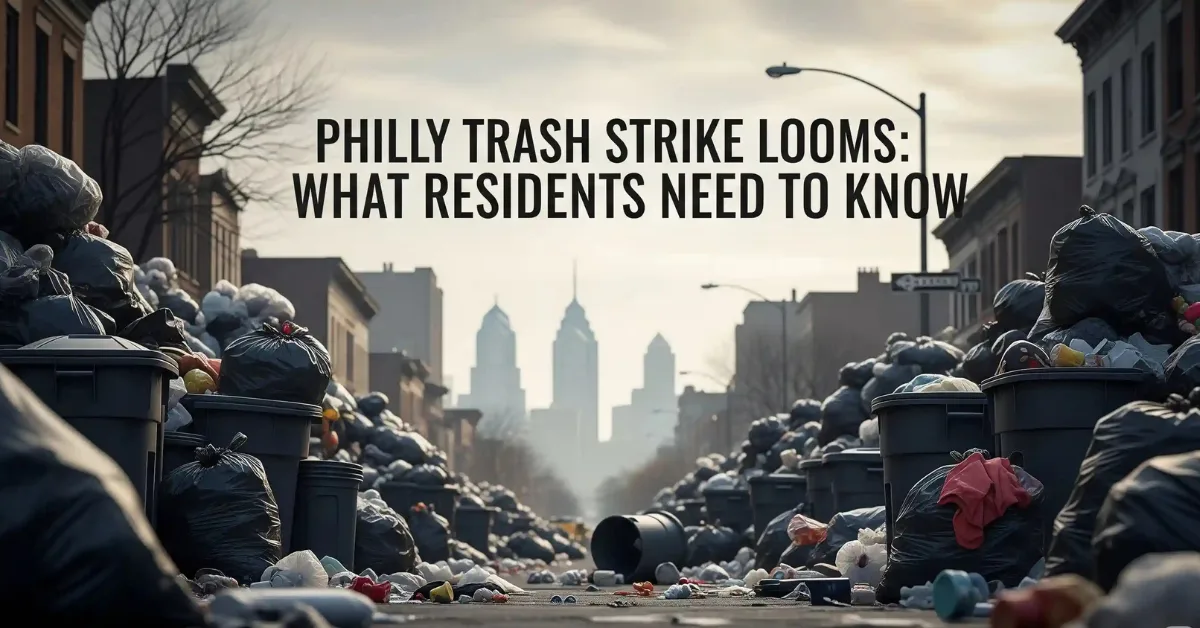
Philadelphia’s sanitation workers have overwhelmingly voted to authorize a strike, raising the possibility of a major service disruption across the city as their contract deadline looms. While the move doesn’t guarantee a walkout, it sends a powerful message to the city as high-stakes negotiations continue.
This guide moves beyond the headlines to explain what’s at stake in the ongoing contract talks and, most importantly, what a potential work stoppage would mean for residents, their trash collection, and the cleanliness of city streets.
Why Did Sanitation Workers Authorize a Strike?
The vote to authorize a strike was a strategic move by the sanitation workers union, AFSCME District Council 33, Local 488, which represents over 1,500 Streets Department employees. It gives their negotiating committee the power to call a strike if talks with the city fail to produce a satisfactory agreement. This authorization comes as their current contract is set to expire, placing immense pressure on both sides to reach a deal.
At the heart of the Philadelphia contract negotiations are several key demands from the union. Workers are advocating for significant wage increases to keep pace with inflation and the physically demanding nature of their work. They are also pushing for improved safety conditions, better benefits, and staffing levels that can adequately handle the city’s needs, citing years of challenging work, especially since the pandemic began.
What a Strike Means for Your Trash Collection
For Philadelphia residents, the consequences of a strike would be immediate and unavoidable. A walkout would halt the regular trash collection schedule, leading to bags piling up on sidewalks across every neighborhood. Beyond the obvious inconvenience and odor, a prolonged service disruption could create serious public health concerns, attracting pests and creating unsanitary conditions.
In the event of a strike, residents would be advised by the city on how to manage their waste. This would likely include instructions on how to properly store excess trash to minimize health risks and details on any temporary drop-off sites. Recycling pickup would also be severely impacted. It is crucial for residents to monitor official city communications for the latest guidance.
How is the City Responding?
City officials have publicly acknowledged the strike authorization and have stated their commitment to negotiating in good faith to avoid a walkout. The administration has emphasized its respect for the workers while also needing to be fiscally responsible in any new contract agreement.
While the city has not detailed its full contingency plan, it is expected to have emergency measures in place to address the most critical sanitation needs and mitigate public health risks if a strike occurs. In past situations, this has included deploying supervisors and other non-union personnel to manage key services. However, any such plan would be a temporary solution and could not replicate the full capacity of the unionized workforce.
What Happens Next? The Path to a Deal or a Walkout
It is critical for residents to understand that a strike authorization does not mean a strike is definite. It is a powerful tool designed to bring urgency to the bargaining table. The coming days will be crucial as both Local 488 and city negotiators work against the clock of the contract expiration deadline.
The best-case scenario is that a fair agreement is reached, and services continue without interruption. The worst-case scenario is a work stoppage that affects the entire city. Residents should stay informed by following updates from the City of Philadelphia and local news outlets. The outcome of these negotiations will directly impact the health, safety, and daily lives of everyone in the city.
Find daily trending topics and trending news of USA at www.usahottopics.com.
Resource Links (for fact-checking):