
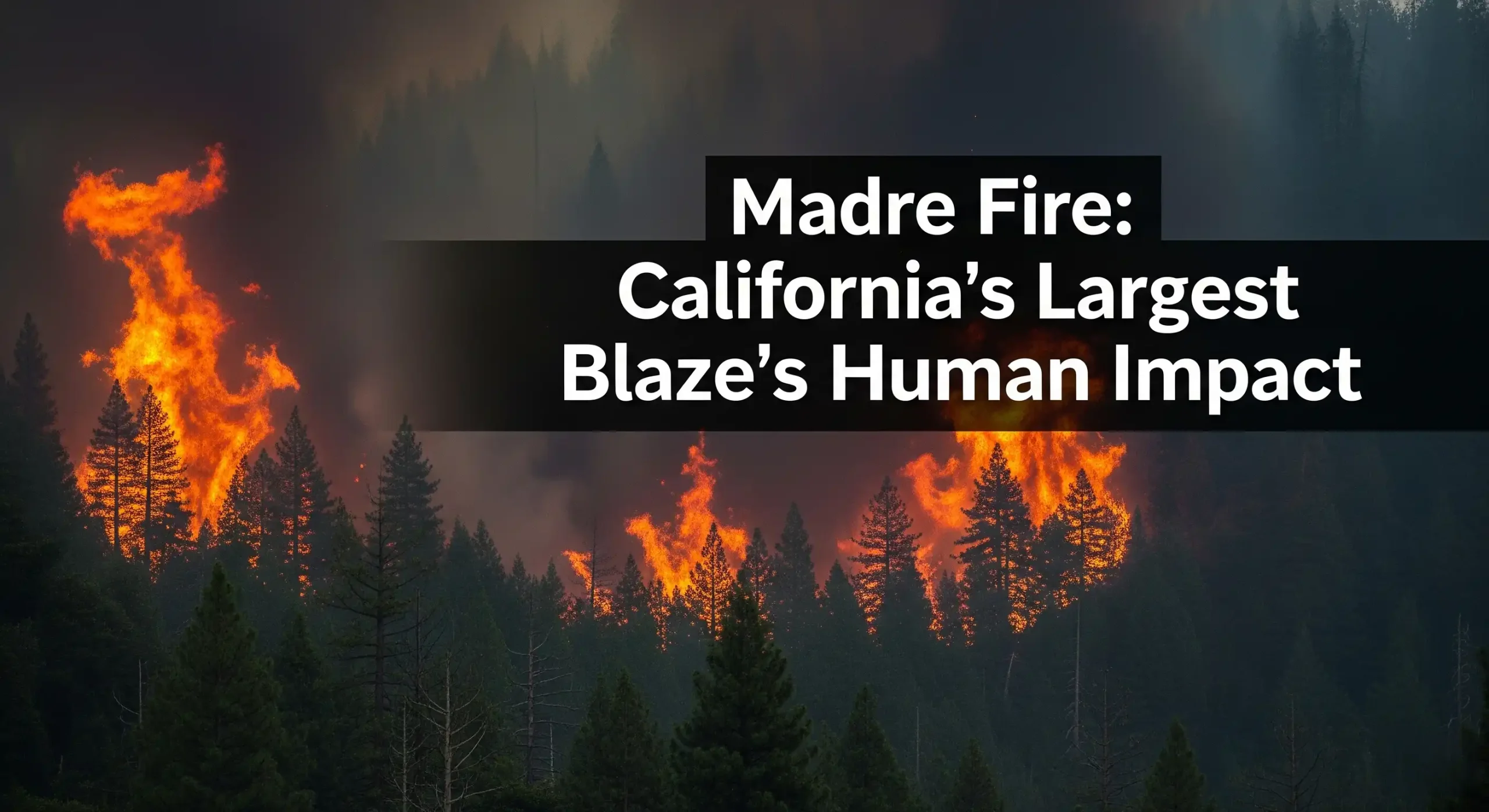
SAN LUIS OBISPO COUNTY, CA – The Madre Fire continues its relentless march across central California, surging to over 70,000 acres and solidifying its position as the state’s largest wildfire of 2025. While headlines rightly track its explosive growth and low containment, the true measure of this devastating blaze lies in the profound human impact it inflicts on residents and the extraordinary resilience of the communities in its path. This article delves beyond the statistics to explore the personal stories, critical safety information, and the unyielding spirit of those confronting California’s latest wildfire crisis.
Evacuation Zones & Life Under Threat: A Closer Look
The Madre Fire, which ignited on July 2nd in the Los Padres National Forest, quickly swelled, forcing thousands from their homes. Mandatory evacuation protocols have been implemented for numerous zones across San Luis Obispo and, at times, neighboring Santa Barbara and Kern counties, leading to a scramble for safety and shelter.
For many, the evacuation orders arrived swiftly, leaving little time to gather cherished belongings or make definitive plans. Families have been separated, routines shattered, and the uncertainty of what remains behind weighs heavily. Emergency shelters, like the one at CA Valley CSD in Santa Margarita, have become temporary havens, providing a glimpse into the lives uprooted by the fire’s advance. Residents share stories of frantic exits, the smoke-filled skies, and the anxiety of leaving everything they know behind. Understanding and following these California wildfire safety and evacuation protocols is paramount, as local authorities continue to update affected areas based on the fire’s unpredictable movements.
Battling the Blaze: Firefighters on the Front Lines
The scale of the Madre Fire demands an immense response, and nearly 600 dedicated personnel, supported by a fleet of helicopters and air tankers, are battling the inferno. Firefighters face exceptionally dangerous conditions, with temperatures soaring, humidity plummeting, and strong, unpredictable winds fanning the flames across steep, challenging terrain. The dry annual grasses acts as highly combustible fuel, leading to “rapid uphill runs and wind-driven head fire spread,” as described by fire officials.
Their relentless efforts are crucial, not just in containing the fire’s perimeter, but in protecting threatened structures – homes, barns, and livelihoods. Each strategic water drop, each foot of handline dug, is a testament to their unwavering commitment to safeguarding communities. The sheer physical and mental toll on these heroes, working around the clock in extreme heat and smoke, underscores the true cost of these natural disasters, highlighting the incredible community resilience wildfires demand.
Air Quality & Health Concerns: What Residents Need to Know
Beyond the immediate danger of flames, the Madre Fire has significantly impacted air quality across a wide region. Thick plumes of smoke have drifted south-southeast, affecting areas from San Luis Obispo to Santa Barbara and Ventura counties, and even reaching the Los Angeles-San Diego corridor with light to moderate haze.
Authorities have issued air quality alerts wildfire, particularly for sensitive groups, including children, the elderly, pregnant women, and individuals with heart or lung conditions. Fine particle pollution in the air can lead to respiratory issues, headaches, and other health complications. Residents in affected areas are strongly advised to limit time spent outdoors, keep windows and doors closed, and use air purifiers if available. Staying informed through local air quality management districts is vital for protecting public health during this ongoing crisis.
Wildfire Preparedness: Lessons from the Madre Fire
The Madre Fire serves as another stark reminder of California’s year-round wildfire season and the critical importance of wildfire preparedness tips. Governor Gavin Newsom’s proclamation of Wildfire Preparedness Week in May 2025 emphasized the need for both collaborative efforts and individual responsibility in mitigating wildfire risk.
For homeowners, creating defensible space around structures, especially within “Zone 0” (the first 5 feet from the home), is crucial for resisting embers. Hardening homes with ignition-resistant building materials can significantly improve survival rates. Families should develop and regularly practice a wildfire action plan, including designated meeting points and communication strategies. Packing a “go-bag” with essential documents, medications, and supplies is a non-negotiable step for anyone living in wildfire-prone areas. These proactive measures, combined with staying informed through emergency alerts, are the best defense against the devastating power of wildfires like the Madre Fire.
Beyond the Flames: Community Support and Recovery Efforts
Even as the Madre Fire continues to burn, the spirit of community resilience wildfires shines through. Local organizations, volunteers, and neighboring communities are stepping up to provide support to those displaced – offering shelter, food, clothing, and comfort. The road to recovery for affected residents will be long, but these initial acts of solidarity provide a crucial foundation.
The Madre Fire underscores the ongoing challenge California faces with wildfires. While immediate efforts focus on containment and protecting lives, the larger conversation must continue about long-term prevention, climate adaptation, and strengthening community resilience for a fire-ready future.
find daily trending topics and trending news of USA at https://usahottopics.com
Resources for Fact Check:
- CAL FIRE Official Website: https://www.fire.ca.gov/
- San Luis Obispo County Office of Emergency Services: https://www.readyslo.org/
- National Weather Service: https://www.weather.gov/
- U.S. Forest Service – Los Padres National Forest: https://www.fs.usda.gov/lpnf