
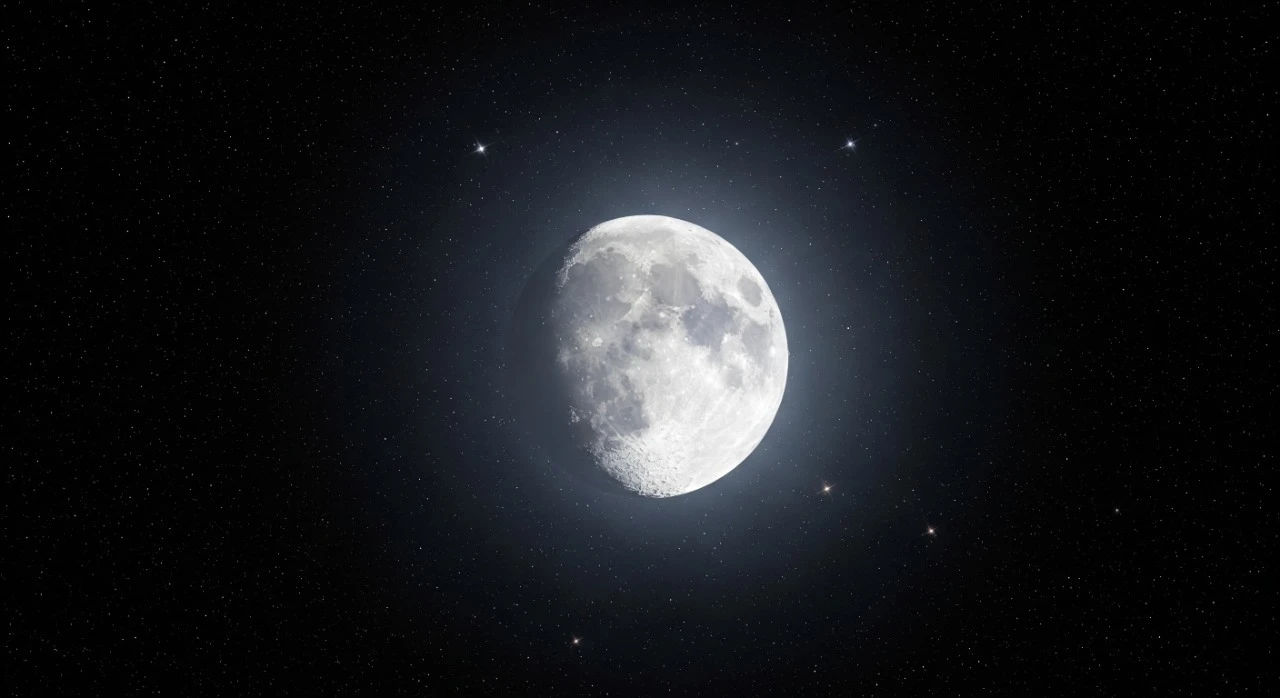
Get ready for a stunning celestial display as the full Buck Moon illuminates the night sky on Thursday, July 10, 2025. This mid-summer lunar event offers a brilliant spectacle for sky-watchers across the United States. But this year, there’s more to see than just the moon itself. This article provides not just the essential viewing times, but a complete guide to other planets you can spot and why this summer moon is a unique astronomical event.
When and Where to See the July Full Moon
The full moon will officially reach its peak illumination on Thursday, July 10, 2025, at 4:37 PM Eastern Daylight Time (EDT). For observers in the Americas, this means the moon will still be below the horizon at its absolute fullest. However, the best viewing experience will begin shortly after sunset on the same evening. As dusk settles, look towards the southeastern horizon to catch the moon as it rises. Its appearance will be dramatic, seemingly larger and more colorful than when it’s high in the sky.
To help you plan your viewing, here are the approximate moonrise times for several major US cities on July 10, 2025:
- New York, NY: 8:45 PM EDT
- Chicago, IL: 8:40 PM CDT
- Denver, CO: 8:35 PM MDT
- Los Angeles, CA: 8:20 PM PDT
You may notice that this full moon follows a lower, more southerly arc across the sky. This happens because full moons in the summer are in the opposite position of the sun. Just as the sun takes a high path across the sky in summer, the full moon takes a low one, mimicking the path of the winter sun.
Beyond the Moon: A Guide to Visible Planets
July 2025 offers a special treat for stargazers. The Buck Moon won’t be alone in the sky; it will be joined by bright, visible planets, creating a beautiful celestial gathering.
As the moon rises, you will have an excellent opportunity to spot Saturn. The ringed planet will appear as a steady, yellowish point of light to the upper left of the moon. This proximity makes it easy for even novice sky-watchers to identify.
Earlier in the evening, just after sunset, look to the west to catch a glimpse of brilliant Venus, often called the “Evening Star,” before it sets. While not directly next to the moon, its dazzling brightness makes it an unmissable part of the evening’s celestial showcase. This is a fantastic opportunity to see multiple solar system bodies in one night of viewing.
The Meaning Behind the “Buck Moon” and Other Names
The most common name for July’s full moon is the Buck Moon. This name has Native American origins and is rooted in the natural world. According to various astronomical and folklore sources, July is typically the month when the new antlers of male deer (bucks) are in full growth mode.
This connection to the seasons has led to other evocative names from different cultures. Some call it the Thunder Moon, due to the frequent thunderstorms that occur in the heat of mid-summer. Others know it as the Hay Moon, marking the time of year when farmers would cut and cure hay. These names reflect a time when the full moon was a vital part of tracking the seasons for hunting, planting, and harvesting—a moon of peak growth and natural abundance.
Pro Tips for the Best Stargazing Experience
To make the most of the July 2025 full moon, follow these simple tips:
- Escape Light Pollution: The brightness of city lights can wash out the moon’s glow and hide fainter stars and planets. For the clearest view, find a park, field, or any location away from direct city lights.
- Enjoy the “Moon Illusion”: Take time to watch the moon as it rises above the horizon. This is when the “Moon Illusion” is most pronounced, making the moon appear massive. This is a trick of the brain, which compares the moon to terrestrial objects like trees and buildings, but it creates a breathtaking sight.
- Enhance Your View: While the moon is beautiful to the naked eye, using a simple pair of binoculars or a small telescope can transform your experience. Binoculars will reveal craters and maria (the dark plains) on the lunar surface and can help you get a much clearer look at nearby Saturn and its rings.
Find daily trending topics and trending news of USA at https://usahottopics.com
Resource Links (for fact check):
- https://www.almanac.com/content/full-moon-names
- https://science.nasa.gov/moon/
- https://www.timeanddate.com/moon/phases/