
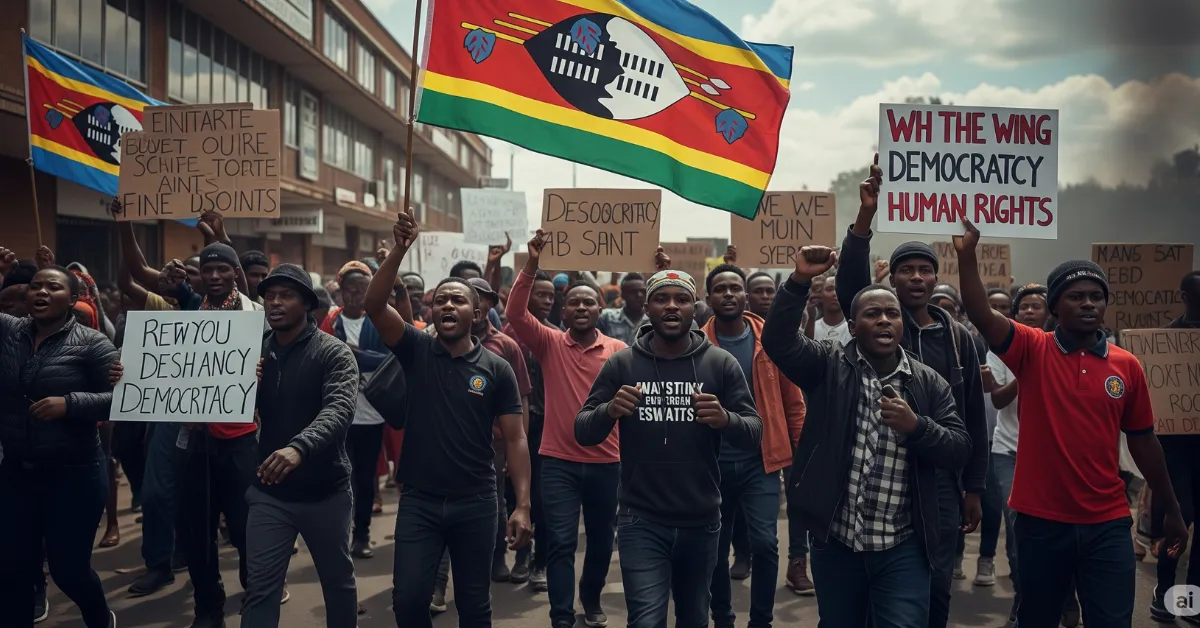
On the surface, the small, landlocked kingdom of Eswatini in Southern Africa may seem worlds away from the daily concerns of most Americans. However, as pro-democracy protests continue to challenge Africa’s last absolute monarch, the escalating instability has direct and significant implications for United States foreign policy, regional security, and long-standing commitments to human rights. While other outlets cover the internal conflict, this article explores the overlooked connection: why the crisis in Eswatini matters to Washington and the American public.
What is Happening in Eswatini?
Eswatini is currently a nation on edge. For months, a groundswell of civil unrest has been growing, led by citizens demanding democratic reforms, constitutional change, and an end to the absolute power wielded by King Mswati III. These widespread pro-democracy protests have been met with a firm and often violent response from state security forces, leading to international condemnation. Activists report arbitrary arrests, violent crackdowns on gatherings, and internet shutdowns designed to quell dissent. The core of the conflict lies in the clash between a generation yearning for political freedom and a monarchy determined to preserve its centuries-old grip on power.
The US Connection: Why Eswatini Matters
The turmoil in Eswatini is not just a distant headline; it is a direct test of US-Africa relations. The United States maintains diplomatic ties with the kingdom and includes it in key trade initiatives, most notably the African Growth and Opportunity Act (AGOA), which provides eligible sub-Saharan African countries with duty-free access to the U.S. market. The ongoing crisis puts this relationship under strain. Continued state-sponsored violence and human rights concerns could force Washington to reconsider Eswatini’s eligibility for such trade benefits, a move that would have significant economic repercussions. Furthermore, as a vocal proponent of democracy worldwide, the U.S. faces mounting pressure from human rights organizations and lawmakers to take a stronger stance against the autocratic crackdown.
Regional Domino Effect: A Threat to Stability?
Political instability rarely stays contained within borders. The crisis in Eswatini poses a tangible threat to Southern Africa stability. The kingdom is bordered by South Africa and Mozambique, two key regional players.1 Prolonged unrest could trigger a refugee crisis, straining resources in neighboring countries. More broadly, the conflict could serve as a volatile flashpoint in a region already navigating complex political and economic challenges. A collapse of order in Eswatini could embolden anti-democratic forces elsewhere or draw its neighbors into a delicate and potentially destabilizing diplomatic standoff. The Southern African Development Community (SADC), a regional bloc, has attempted to mediate, but a lasting solution remains elusive, increasing the risk of a wider regional problem.
Washington’s Next Move: What to Expect
All eyes are now on how the United States will respond as the situation develops. The Biden administration has several policy tools at its disposal. Options range from targeted sanctions against King Mswati III and key officials responsible for human rights abuses to increased diplomatic pressure and vocal support for pro-democracy movements. American officials will have to weigh strategic interests against their stated commitment to democratic values. For now, the events in Eswatini serve as a critical, real-time case study of America’s foreign policy in action, proving that even events in the world’s smallest nations can have a direct bearing on U.S. interests and global standing.
Find daily trending topics and trending news of USA at https://usahottopics.com
Resource Links (for fact-checking):
- https://www.reuters.com/world/africa/eswatini-king-says-country-address-concerns-after-election-protests-2024-02-17/
- https://www.aljazeera.com/program/people-power/2023/10/26/eswatini-a-country-in-turmoil