
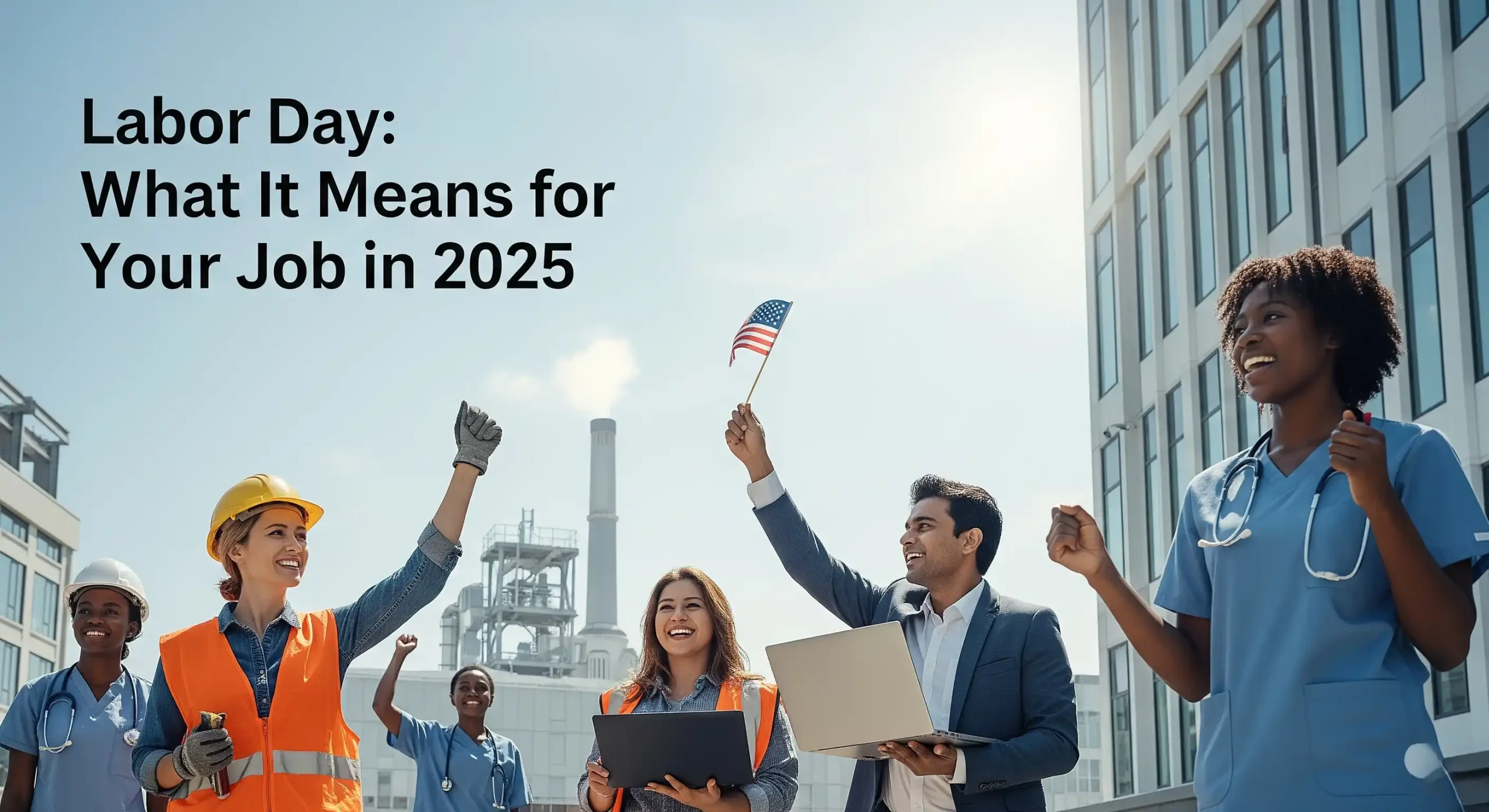
As Americans fire up their grills for the last long weekend of summer, the familiar sights and sounds of Labor Day signal a seasonal shift. But beyond the parades and backyard barbecues, this holiday serves as a crucial annual check-up on the health and direction of the American workforce. As we mark Labor Day 2025, it’s a moment to reflect on more than just the end of the seas
The economic currents of the past year have reshaped industries and redefined what it means to earn a living in the United States. This article delves into the current state of the American workforce, analyzing the key job market trends, the persistent tug-of-war between wages and inflation, and the technological shifts shaping your career and financial future. It provides a deeper understanding of what this holiday truly signifies today.
The Shifting Landscape of the American Job Market
The narrative of the American job market in 2025 is one of significant transition. While overall unemployment figures remain relatively stable, a closer look reveals a dynamic and evolving landscape. The technology and renewable energy sectors have continued their aggressive expansion, creating high-skilled, high-paying jobs in fields like artificial intelligence integration and green infrastructure development. Conversely, other areas, such as commercial real estate and traditional retail, have faced headwinds, leading to a reallocation of labor.
A central theme remains the evolution of remote and hybrid work. What began as a pandemic necessity has now solidified into a complex, permanent feature of the workplace. We’re seeing a push-pull between companies demanding more in-person collaboration and a workforce that has come to value flexibility. This has intensified the competition for top talent, forcing employers to rethink compensation, culture, and what a “workplace” truly is. In this environment, the most critical job market trends point toward a demand for adaptable workers with skills in data analysis, digital communication, and specialized software platforms.
Wage Growth vs. Inflation: The Real Story for Your Wallet
On paper, many Americans have seen their paychecks increase over the past year. However, the headline number for wage growth doesn’t tell the whole story. The persistent, though moderating, rate of inflation continues to challenge the purchasing power of the average family. The cost of essentials like housing, groceries, and transportation has consumed much of the reported wage gains, leaving many workers feeling like they are running in place.
The impact is not uniform across all industries. Employees in high-demand tech and specialized healthcare roles have largely seen their income outpace inflation. In contrast, workers in the service, hospitality, and administrative sectors have often found their raises erased by a higher cost of living. This disparity highlights a growing economic divide and places immense pressure on household budgets, making the national conversation about a living wage more critical than ever.
The Re-energized Labor Movement and What It Seeks
In response to these economic pressures, the American labor movement has continued to gain momentum. Following landmark unionization efforts in previous years, 2025 has seen successful organization drives in new sectors, including logistics and digital media. The core demands remain consistent: higher and more equitable pay, improved benefits, safer working conditions, and, crucially, more predictable scheduling.
This resurgence has sparked a national debate. Proponents argue that a stronger labor movement is essential for rebuilding the middle class and correcting decades of wage stagnation. They point to improved worker outcomes and a fairer distribution of corporate profits. Opponents, including some business groups, express concerns that increased labor costs could stifle growth, fuel inflation, and reduce corporate competitiveness on a global scale. This ongoing dialogue is a defining feature of the current economic era and directly impacts the future of work.
Looking Ahead: The Future of Work in America
Perhaps the most powerful force shaping the long-term future of work is the rapid advancement of artificial intelligence and automation. The conversation has shifted from a fear of robots taking jobs to a more nuanced understanding of how AI will change jobs. Repetitive and data-intensive tasks are increasingly being automated, placing a higher value on uniquely human skills.
Looking ahead, the American workforce must prepare for a reality where lifelong learning is not just a benefit but a necessity. The ability to think critically, solve complex problems, communicate effectively, and adapt to new technologies will be the most valuable assets any worker can possess. The key takeaway from Labor Day 2025 is that proactive upskilling and a commitment to personal and professional development are the best strategies for navigating the opportunities and challenges of the coming years.
Find daily trending topics and trending news of the USA at https://usahottopics.com
Resources & Further Reading:
- USA Hot Topics: https://www.usahottopics.com
- Resource Link (CBS News): https://www.cbsnews.com/tag/labor-day/
- Resource Link (The Independent): https://www.independent.co.uk/topic/labor-day