
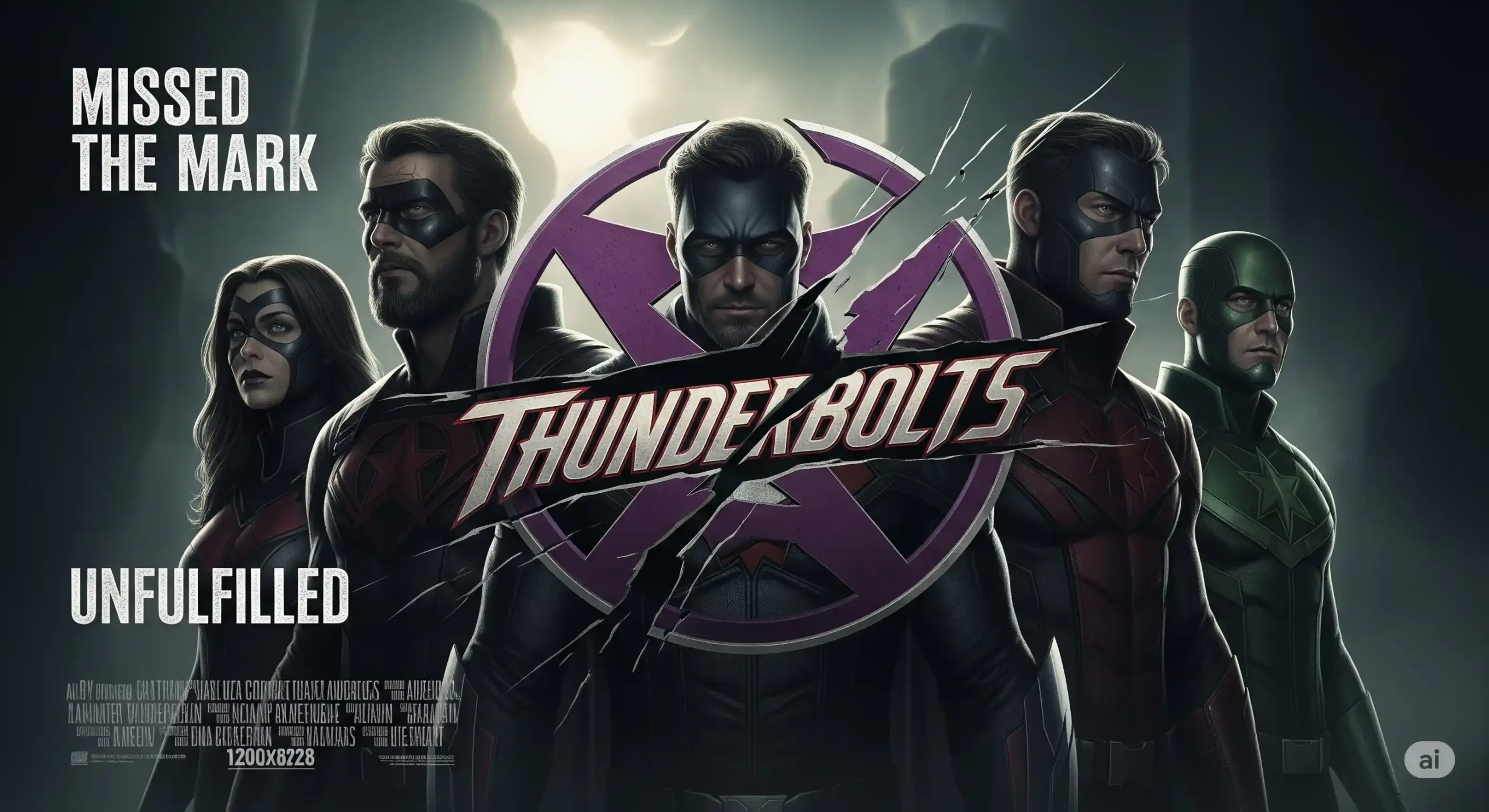
Marvel Studios’ highly anticipated anti-hero ensemble, “Thunderbolts,” has officially landed on digital platforms this July, bringing a new dynamic to the MCU with its morally ambiguous team. While the film has garnered surprisingly positive critical reception, its box office performance tells a different story, prompting a crucial question: why did this unique entry struggle to ignite the theatrical spark, and what does this mean for the evolving landscape of the Marvel Cinematic Universe’s “anti-hero” gamble?
Digital Release, Disappointing Numbers: The “Thunderbolts” Paradox
As of July 1st, “Thunderbolts” became available for digital purchase and rental, with a Blu-Ray release set for later in the month. This digital debut marks a new chapter for the film, offering a chance for audiences who missed its theatrical run to finally witness the B-team in action.
However, the film’s journey to this point has been shadowed by a less-than-stellar box office showing. Despite its reported production budget of around $180 million, “Thunderbolts” grossed approximately $382 million worldwide. While this might seem a substantial figure on its own, for a tentpole Marvel release, it falls significantly short of expectations and break-even points, especially when factoring in marketing costs and the studio’s share of ticket sales. This performance positions “Thunderbolts” as one of the lower-grossing films in the MCU’s history.
This financial underperformance stands in stark contrast to the film’s critical reception. Reviewers have largely praised “Thunderbolts” for its darker tone, character development, and focus on practical effects, often highlighting it as a refreshing change of pace for the franchise. The disconnect between critical acclaim and box office revenue presents a unique paradox that demands a deeper look.
Beyond the Hype: Unpacking the Anti-Hero Appeal & Fan Reception
“Thunderbolts” assembled a compelling roster of existing MCU characters, including Yelena Belova (Florence Pugh), Bucky Barnes (Sebastian Stan), Red Guardian (David Harbour), U.S. Agent (Wyatt Russell), Ghost (Hannah John-Kamen), and Taskmaster (Olga Kurylenko), led by Julia Louis-Dreyfus’s manipulative Valentina Allegra de Fontaine. This group, largely comprised of reformed villains or morally ambiguous operatives, promised a fresh take on the superhero genre, exploring themes of redemption, government control, and what it truly means to be a “hero.”
Early fan reactions to the concept were mixed but generally enthusiastic about seeing these characters team up. Many were intrigued by the prospect of a grittier, less traditionally heroic narrative. However, it’s possible that the “anti-hero” appeal, while resonating with critics and a segment of the hardcore fanbase, didn’t translate into broad mainstream interest. Unlike iconic heroes like Captain America or Iron Man, the Thunderbolts, for many casual viewers, might lack the immediate name recognition or established heroic appeal that drives ticket sales. The film’s narrative, delving into complex character motivations and the manipulation by the government, also veered into more nuanced territory than typical MCU fare.
The MCU’s Shifting Sands: Phase 5 Challenges & Future Strategies
“Thunderbolts” arrived amidst what many are calling “superhero fatigue” – a growing sentiment among audiences that the sheer volume of superhero content, particularly from Marvel, has led to a saturation point. Phase 5 of the MCU, in which “Thunderbolts” is a key component, has seen several projects receive mixed reviews and, in some cases, underperform at the box office.
The challenges facing the MCU extend beyond just the quantity of releases. There’s a prevailing feeling that the interconnectedness, while once a strength, has become a barrier for casual viewers who feel they need to watch numerous shows and films to keep up. Additionally, the shift in focus from the “Infinity Saga’s” clear, overarching villain (Thanos) to the more nebulous and multifaceted “Multiverse Saga” has left some audiences feeling less invested in the bigger picture. “Thunderbolts,” with its focus on internal government intrigue and morally gray characters, might have been perceived as less essential to the grand Multiverse narrative, further impacting its draw.
Marvel Studios is undoubtedly analyzing these trends. The box office performance of “Thunderbolts,” combined with other recent releases, could prompt a re-evaluation of their strategy. This might include a renewed focus on self-contained stories that require less prior knowledge, a more selective approach to theatrical releases, and a deeper dive into what truly differentiates their content in a crowded entertainment landscape.
What This Means for the MCU’s Future & The “New Avengers”
The ending of “Thunderbolts,” particularly with the reveal of “The New Avengers,” sets up intriguing possibilities for the MCU’s future. The film clearly positions these anti-heroes to play a significant role in upcoming events, potentially leading into major crossover films like “Avengers: Doomsday” or “Avengers: Secret Wars.”
However, the film’s box office performance will undoubtedly influence how Marvel proceeds with these characters and their storylines. While a direct “Thunderbolts 2” might be uncertain, the individual characters are likely to continue their arcs across other MCU projects. The experiment with a full-fledged anti-hero team has provided valuable data for Marvel: while the critical reception was strong, the audience’s willingness to embrace a darker, more complex narrative in theaters needs further exploration. Moving forward, expect Marvel to continue pushing creative boundaries, but perhaps with a more cautious eye on the balance between artistic ambition and commercial viability, especially concerning its less traditional heroes and anti-heroes.
find daily trending topics and trending news of USA at https://usahottopics.com
Resource Links:
- https://news.jobaaj.com/news-updates/entertainment/thunderbolts-movie-out-now-on-ott-all-you-need-to-know
- https://www.business-standard.com/entertainment/thunderbolts-ott-release-when-and-where-to-watch-this-mcu-film-online-nc-125070101101_1.html
- https://www.ign.com/articles/how-to-watch-thunderbolts-the-new-avengers
- https://screenrant.com/marvel-thunderbolts-box-office-mcu-impact-report/