
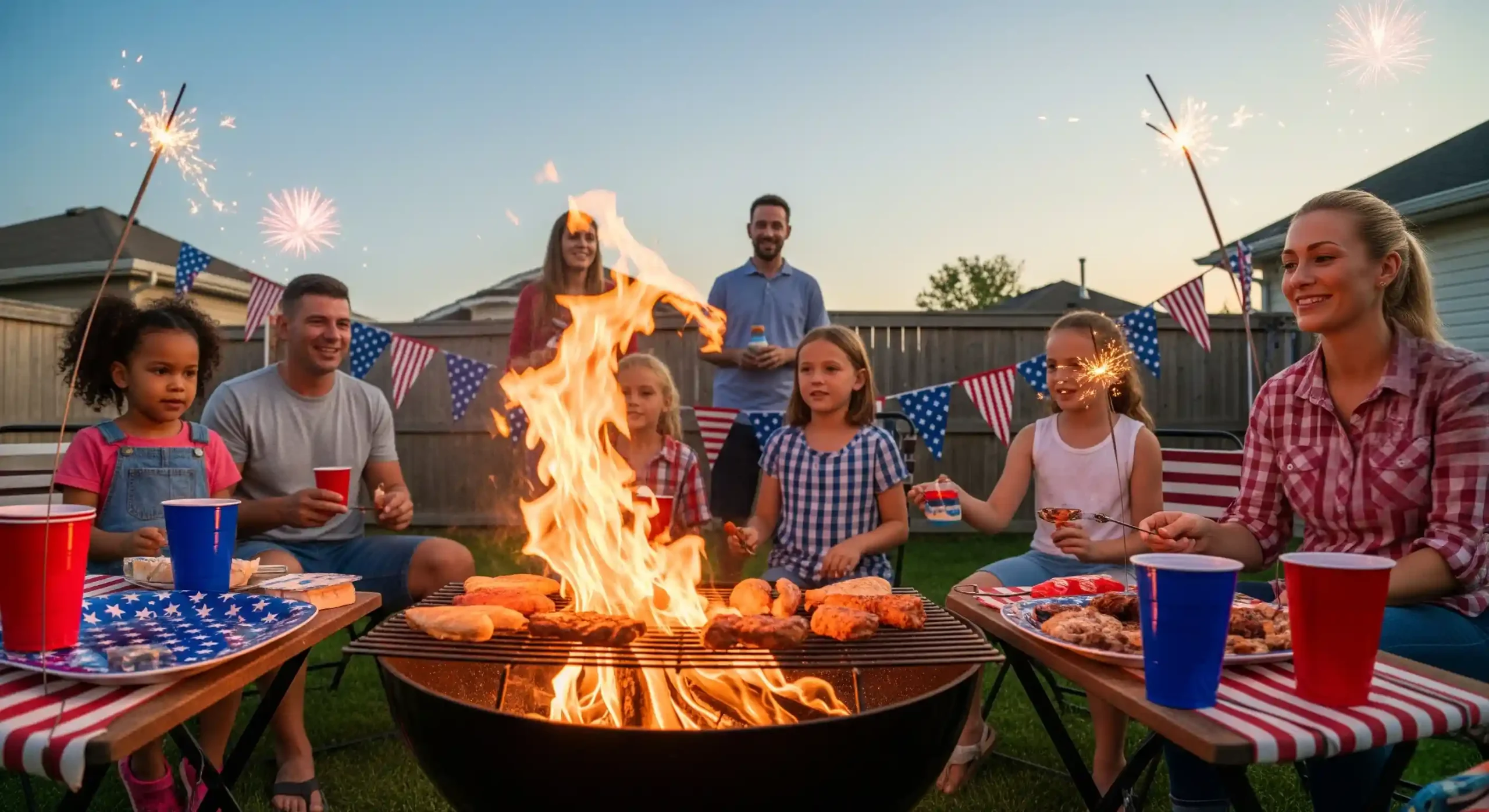
Beyond fireworks, the biggest Fourth of July threat may be in your backyard. Grill fires peak this month. Learn the key safety checks now.
As millions of Americans prepare for dazzling firework displays this Fourth of July, one of the most significant and overlooked dangers of the holiday is hiding in plain sight. It’s not the rockets or Roman candles causing the most consistent trouble; it’s the beloved backyard grill, the centerpiece of countless celebrations, that poses a formidable threat.
According to the National Fire Protection Association (NFPA), July is the absolute peak month for grill fires in the United States. While our attention is turned to the sky, these common cookout appliances are responsible for thousands of house fires, millions of dollars in property damage, and numerous trips to the emergency room each year. This Independence Day, understanding the real risks of grilling is the first step toward a truly safe celebration.
The Alarming Statistics: A Look at the Numbers
The data on grilling accidents paints a sobering picture. The NFPA reports that U.S. fire departments respond to over 10,000 home fires involving grills, hibachis, or barbecues annually. These incidents result not only in devastating structural damage but also lead to nearly 20,000 emergency room visits for grill-related injuries, from severe thermal burns to other physical harm.
The leading causes are surprisingly simple and entirely preventable:
- Failure to clean: Grease and fat buildup provide a perfect fuel source for dangerous flare-ups.
- Unattended cooking: A grill left alone for even a moment can quickly become an unmanageable blaze.
- Proximity to flammable materials: Placing a grill too close to a home, deck railings, or overhanging branches is a recipe for disaster.
The Propane Threat: Checking for Leaks Before You Cook
Gas grills are involved in the vast majority of these fires, with propane grill leaks being a primary culprit. Before you fire up the barbecue for the first time this season, performing a simple safety check is crucial and can prevent an explosion.
Follow this easy “soap bubble test”:
- Mix a 50/50 solution of liquid dish soap and water.
- Turn on the propane cylinder valve (with the grill knobs still off).
- Brush or spray the soapy solution onto the gas hose and all connection points.
- If you see bubbles forming, you have a gas leak. Immediately turn off the tank and do not use the grill until the hose or connections have been replaced and secured.
Crucially, always open the lid of a gas grill before lighting it. This allows any collected gas to dissipate. Lighting a grill with the lid closed can cause a dangerous flash fire.
Beyond the Flames: The Risk of Food Poisoning at Cookouts
The danger isn’t limited to fire. Your grill is also ground zero for another holiday-ruining menace: food poisoning. Warm summer temperatures create the perfect breeding ground for bacteria on perishable foods.
To keep your guests safe, follow these essential food safety rules:
- Avoid the “Danger Zone”: Never leave perishable foods like meat, chicken, or mayonnaise-based salads out for more than two hours (or one hour if temperatures are above 90°F).
- Prevent Cross-Contamination: Use separate plates, cutting boards, and utensils for raw and cooked meats. Never place cooked burgers back on the same platter that held them when they were raw.
- Use a Meat Thermometer: Color is not a reliable indicator of doneness. To kill harmful bacteria, ground beef should be cooked to an internal temperature of 160°F and chicken to 165°F.
Your Ultimate July 4th Grill Safety Checklist
Keep this checklist handy to ensure your cookout is memorable for all the right reasons.
- Location, Location, Location: Keep your grill at least 10 feet away from your house, deck railings, and any overhanging trees or structures.
- Create a Safety Zone: Establish a mandatory 3-foot “kid-free and pet-free” zone around the grill to prevent accidental burns.
- Cleanliness is Key: Regularly remove grease and fat buildup from both the grates and the trays below your grill to prevent flare-ups.
- Stay Attentive: Never leave a lit grill unattended. If you must step away, designate another adult to watch it.
- Be Prepared: Keep a fire extinguisher or a bucket of baking soda nearby for grease fires. Never use water on a grease fire, as it can cause the flames to splatter and spread.
This Fourth of July, let’s declare our independence from preventable accidents. By respecting the power of the flame and following these essential NFPA grilling safety guidelines, you can ensure your celebration is safe, successful, and fun.
Resource Links for Fact-Checking:
- National Fire Protection Association (NFPA) Grilling Safety: https://www.nfpa.org/education-and-research/home-fire-safety/grilling
- U.S. Consumer Product Safety Commission (CPSC) Grill Safety: https://www.cpsc.gov